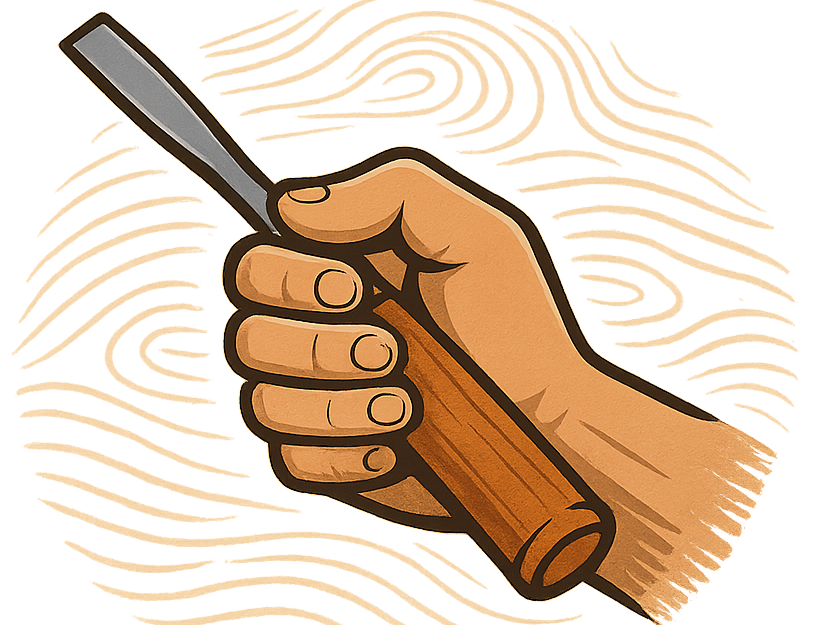
Getting started with wood carving is super exciting, with safety being extremely important from day one. Carving wood means working with sharp knives and tools that demand respect and attention. If you’re just picking up your first carving set, knowing a few basic safety tips can make all the difference, not just for protecting your hands but also for making your carving experience much more enjoyable. What follows are some key safety habits, and I think these will help guide you while you build both skills and confidence in wood carving.
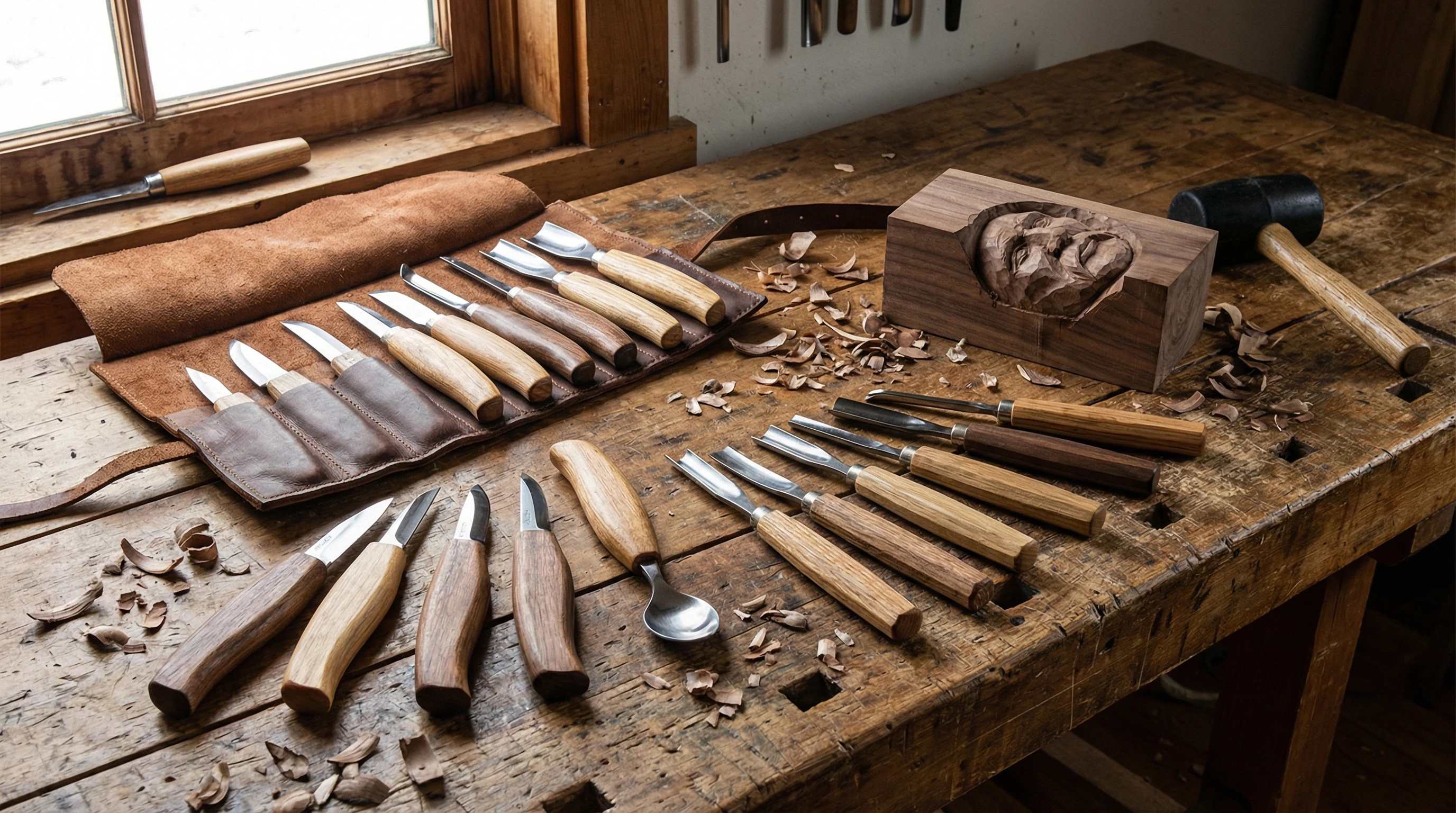
Why Wood Carving Safety Matters, Especially When You’re New
Wood carving has a long and creative history, from traditional crafts to really detailed sculptures. With the right tools, you can turn a block of wood into something you’re proud to show off, but one slip with a knife can lead to painful cuts. According to the American Association of Woodturners, hand injuries are some of the most common accidents among carvers. Paying attention to safety as you learn can help you avoid a lot of frustration and more serious problems down the road.
The tools used in wood carving, like gouges, V tools, and carving knives, are all designed to be razorsharp. This sharpness lets you carve wood easily, but it’s also why these tools need careful handling. Good safety habits are not about being worried; they’re about enjoying your carving time without stress or unexpected injuries.
Wood Carving Starter Kit: Safety Essentials
If you’re new to carving, picking up some basic safety gear is one of the smartest moves you can make. A carving kit will give you the right tools, but adding some protective supplies is just as important. Here are some simple, practical items every beginner should have at their carving table:
- Carving Gloves: A cutresistant glove, especially on your nondominant hand (the one holding the wood), gives you extra peace of mind if your tool slips.
- Thumb Guard: These leather or fabric guards protect your thumb, one of the spots that gets nicked most often by beginners.
- Safety Glasses: Chips can fly, so a good pair of safety glasses might save you an eye injury.
- Sharp Tools: Believe it or not, sharp tools are safer than dull ones. A sharp blade glides through wood and is much less likely to slip and cut you.
A Simple Beginner’s Guide to Safe Wood Carving
Starting out with wood carving doesn’t have to be risky, but a few basic habits go a long way. I always recommend new carvers practice these steps from day one:
- Set Up a Clean Workspace: Carve on a sturdy table with enough light. Brush away wood chips often and keep your tools organized.
- Carve Away from Yourself: Always angle your cuts away from your body and your hands. Never carve toward your palm or your fingers.
- Anchor Your Piece: Use a bench hook, clamp or rubber/silicone mat to keep your wood from slipping.
- Take Your Time: Rushing makes it easy to lose control. Small, slow cuts are the way to go when you’re learning. Don’t rush, this hobby is for relaxation, embrace that and you will enjoy carving that much more.
- Store Tools Properly: Don’t toss your knives in a drawer. Use tool rolls or blocks to keep sharp edges from catching your fingers later.
These habits can keep you safe and help you focus on carving, not on worrying about accidents. Remember, in wood carving, your habits matter just as much as your skill level.
What Beginners Should Keep in Mind Before Getting Started
I’ve seen a lot of new carvers make the same mistakes, often because they’re excited (understandably!) and skip some basic safety steps. Here are a few things I learned along the way, and I think they’ll help you as you start:
- Don’t Skip Safety Gear: It’s easy to think, “I’ll just do this little cut,” but it only takes a second for a tool to slip.
- Avoid Carving When Tired: Fatigue can slow your reaction time, which is when injuries happen.
- Choose the Right Wood: Soft woods like basswood are great for starters. They cut easily and are less likely to make your tools bind or slip.
- Keep Distractions Away: Distraction leads to careless mistakes. Put your phone/screens aside while you’re holding a carving knife.
If you set yourself up with these habits from the start, you’ll feel more at ease as you improve your techniques.
Sharp Tools: The Surprising Key to Safety
It sounds counterintuitive, but sharp tools really are a big safety win. Dull edges require more force, and that leads to slips. A blade that glides through wood gives you much more control. Make a habit of touching up my knives regularly with a sharpening stone or strop (often leather). If you’ve never sharpened a blade before, it’s worth checking YouTube for easy tutorials. Keeping your tools sharp doesn’t have to be complicated or expensive, and even a few strokes on a strop can give your tools a real boost.
Protecting Your Hands: Practical Tips
Gloves and thumb guards are great starters, but your hands need your focus, too. Carve with both hands, one guiding the blade, the other anchoring the wood, and always try to keep your holding fingers behind and out of the path of the cutting edge. It’s helpful to practice placing your hands in “safe zones” and making small, controlled cuts until that muscle memory kicks in. The more you practice this, the safer and more natural it feels.
Dealing with Wood Chips and Debris
Wood chips might seem harmless, but they build up fast and can actually hide the sharp edges of your tools. Clearing chips regularly avoids accidental cuts. It also keeps your workspace comfortable and helps you see what you’re doing. Some carvers use a small bench brush, but even a sweep with your gloved hands is better than letting chips pile up. Plus, keeping your workspace tidy allows you to notice any misplaced tools that could cause unexpected injuries.
First Aid Know-How
No one expects to get a cut, but it’s really smart to have a small first aid kit within arm’s reach. Keep some bandages and antiseptic handy. Even a minor cut needs to be dealt with right away, so you don’t end up with a sore finger or a more serious infection. Applying a bandage and washing up doesn’t take long and can save you a lot of trouble. Preparing for the unexpected means you’re always a step ahead.
Advanced Safety Moves for When You’re Feeling Confident
After you’ve carved a few simple projects and feel at home with your tools, here are a few extra moves that help keep safety on your side:
- Plan Your Cuts Before You Start: Take a second to look at the carving and think about how each cut will go before the blade touches the wood.
- Switch Tools Safely: Set down one tool before picking up another. Trying to juggle two blades at once is risky and unnecessary.
- Use a Carving Glove During Roughing Out: The rough shaping steps see the most slips. Once you’re working on finer details, you can sometimes remove the glove for more precision and ease of movement.
- Take Breaks: Tired hands make mistakes, so step back, stretch your fingers, and get a glass of water every so often.
Best Tools and Safety Gear for Beginners in Wood Carving
There are lots of carving kits out there, but some safety accessories (beyond just the right knife) are worth adding right away. Here are a few things I keep on my bench and recommend to anyone starting out:
- Bench Hook: Holds your work steady, reducing slips and wobbles while keeping your project solidly in place.
- Strop and Honing Compound: Easy tool maintenance that makes every carving session smoother and safer. A well-kept edge is less dangerous than a stubborn one.
- CutResistant Sleeve: For those who want a little extra protection on the forearm, especially when roughing out large pieces and reaching in awkward positions.
- Dust Mask: If you’re sanding or working with certain woods, a dust mask keeps your lungs happy and lets you focus on the art, not your breathing.
Outfitting yourself with these basic items helps you stick to safe habits and puts you in a good spot for learning more advanced techniques later. Over time, you might track down more specialized gear, but these basics set you up for safe, steady progress.
Frequently Asked Questions
Here are some of the most common questions that pop up when new carvers get started with safety in mind:
Question: Do I really need to wear a carving glove?
Answer: I definitely recommend it for beginners. Even experienced carvers use gloves most of the time, especially for roughing out pieces where a slip is more likely. It’s always a good idea to keep your hands protected if you’re unsure about a cut.
Question: How do I know if my tools are sharp enough?
Answer: A sharp tool should easily cut through a piece of paper, but if you find yourself forcing the blade, it’s time to sharpen up. Sharp tools make every part of carving safer and more pleasant. Regular touchups make your work smoother and more enjoyable.
Question: What’s the safest way to hold my wood while carving?
Answer: Holding your piece securely with a carving glove or using a clamp keeps your fingers out of the blade’s path. Always keep your noncutting hand out of the line of fire, and carve on a flat, stable surface whenever possible. It’s also smart to anchor your work in a position that feels natural and stable, so you’re never straining or reaching awkwardly.
Final Thoughts
Picking up safe carving habits as a beginner is a really important step toward enjoying this creative craft. Starting with simple precautions and building safety into your skillset gives you the freedom to focus on the fun parts of carving, learning new techniques and watching your projects take shape. Stay patient, take your time, respect your tools, and keep your focus and those tools sharp. Carving should be relaxing and rewarding. Every step you take toward safe habits is a smart investment in your carving adventure and helps ensure many enjoyable hours at your workbench as your skills grow.