These days wood carvers are stretching the limits in the craft, using unexpected materials, mixing modern techniques, and drawing inspiration from way outside the boundaries of what’s considered traditional. If you’re looking for new directions, it’s worth exploring some of the most creative ideas in wood carving right now.
Thinking Past the Usual
Wood carving has a long, impressive history, and many carvers still focus on traditional styles like relief carving or chip carving. But artists and hobbyists are trying new tools, materials, and styles all the time. Adding unexpected twists keeps the craft fresh. Carvers now add resin, metals, or even digital processes to their carved pieces. Watching wood carving switch up is exciting, especially if you’ve been around for a while and feel ready for something different.
Modern carvers create everything from largescale installations for public spaces to experimental sculptures that look like something from a sci-fi movie. Adding color, using recycled materials, or mixing woods from across the world leads to textures and styles you won’t find in a typical hand carved bowl. This variety attracts new makers and collectors, giving a boost to the world of wood art and drawing in folks who may never have thought about carving before.
Modern Wood Carving Methods
Anyone who wants to push wood carving into new areas needs a solid foundation. Knowing how to handle knives, chisels, and gouges is still really important. That’s how you keep your hands safe while letting the wood reveal its best side. After that, playing with new tools and materials becomes a lot more fun and a lot less intimidating.
Some of today’s most inventive wood carvers use:
- Power Tools: Rotary tools, electric sanders, or even CNC routers make it easier to shape tough woods or carve large pieces quickly.
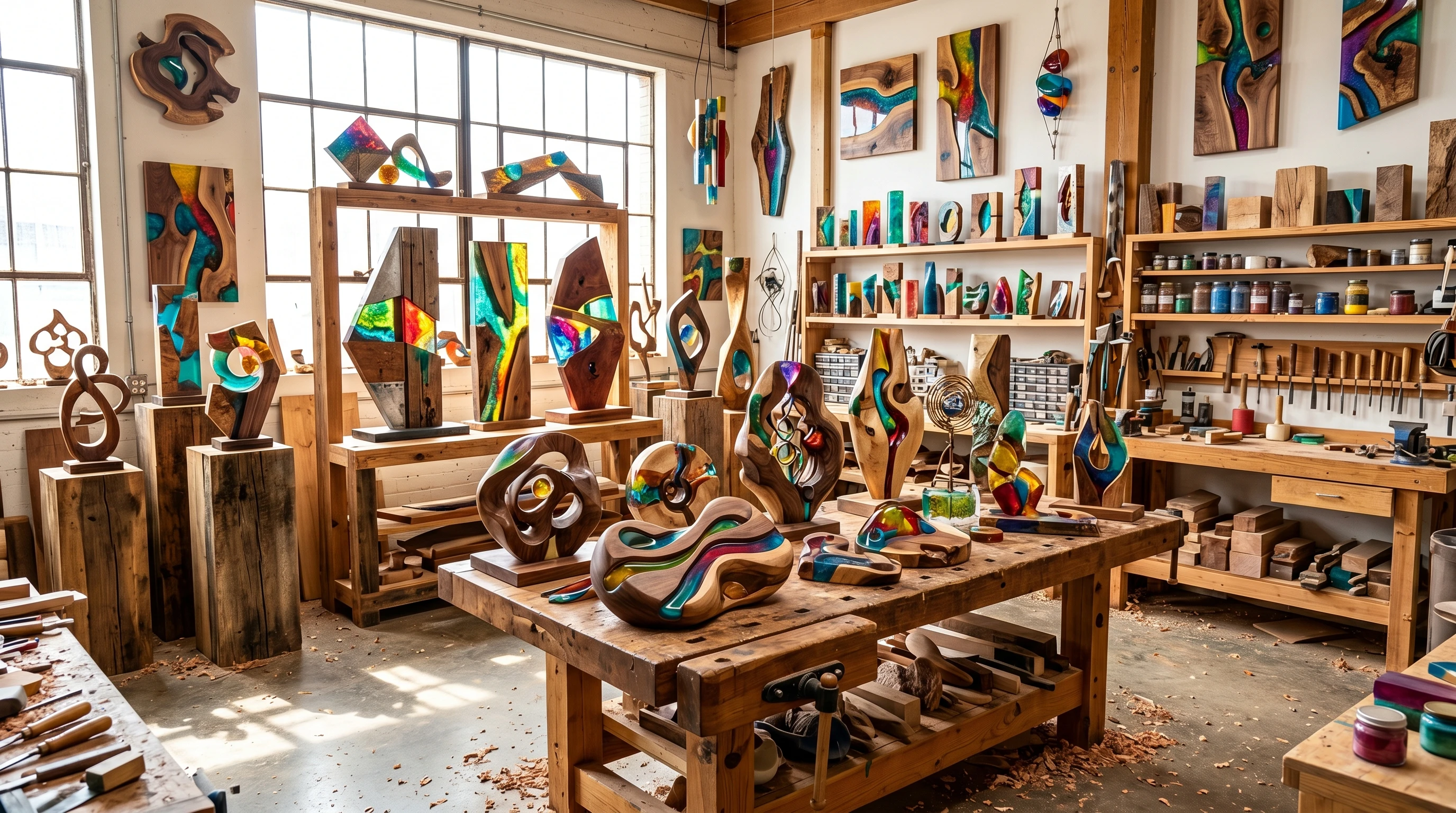
- Epoxy and Resin: Pouring clear or colored resin into carved shapes produces striking, see-through effects. This is especially true with translucent pigments or embedded objects.
- Mixed Media: Mixing brass, stone, shell, or even LEDs can turn a carving into a wild mixed media sculpture that would look right at home in a contemporary gallery.
If you’re not sure what might fit your own style, checking out wood carving groups online or in your area can help you get a sense of what’s possible. Learning from carvers who blend old and new methods often sparks your own ideas. Sometimes, just seeing how someone else pushes the envelope is enough to trigger your next project.
Fair warning: some old school carvers will tell you these methods are not true to the craft. “Anything not done by hand is not truly wood carving,” they’ll say. I have carved with people that lose their proverbial mind if you so much as use sandpaper on a carving! The thing is, the hobby is yours to make what you want of it. If a new technique brings you peace and love of the craft, or just enables you to participate due to a possible condition or previous injury, I say go for it.
Step-by-Step Ways to Stretch Beyond Traditional Carving
Trying new things in wood carving doesn’t have to mean abandoning classic methods. You can start by tweaking what you may already know. Here are some simple steps to help your work break out of the traditional box:
- Experiment with New Woods: Instead of sticking to basswood or pine, test out exotic hardwoods, driftwood, or even reclaimed lumber for interesting textures. Urban wood can have knots, burls, or spalting (distinctive patterns left by previous fungi in the wood) that really pop in finished projects.
- Add Color: Use stains, paints, or dyes to give carvings louder personalities. Airbrushing or woodburning can also crank up the vibe, while layering multiple colors creates depth and energy in your work.
- Combine Materials: Inlay metal wires, glass, or stone into your carved pieces. Even something like colored epoxy can give your work a bold look that’s almost jewel-like.
- Try Large or Miniature Scale: Oversized outdoor sculptures or super tiny carvings both present new challenges and help develop new skills. Working big can be freeing, while smaller projects force you to focus on details you might miss otherwise.
- Use Modern Tech: CNC machines, laser cutters, or 3D scanners are worth getting into if you like mixing tradition with technology. It’s possible to create a digital sketch and “print” the outline, then finish everything by hand for a best-of-both-worlds result.
Every time you push things a little further, you stumble upon more about which styles or materials make you excited to carve. The main goal is to have fun and keep your mind open to new possibilities. Sometimes, a mistake with a new material leads to unexpected beauty and a whole new line of projects.
Questions to Ask Before Jumping In
Switching things up in wood carving isn’t always simple; using power tools or resins brings a fresh set of things to think about. Here are a few practical issues that come up when exploring modern carving:
- Safety: Power tools, epoxy, and even some woods release dust or fumes. A good mask, eye protection, and ventilation make your workspace a lot safer. Don’t skimp on gloves when using resins or finishes.
- Expense: High-tech tools or rare materials can get expensive. Start slow and only invest more when you’re sure you’ll use them regularly.
- Availability: Some eye-catching woods or resins aren’t easy to find locally, so you may need to shop online or visit specialty shops. It helps to join forums where people share sources and tips for buying in bulk.
- Workspace: Pouring resins or using sanders can get messy, so set up a spot that’s okay for noise and cleanup. Having a dedicated space means you can leave projects drying or curing overnight without worrying about making a mess in your kitchen.
Safety Concerns with New Tools and Materials
It’s best to go overboard with safety when trying out new tools rather than not do enough. A rotary carver kicks up more dust than you might expect, and some hardwoods can cause allergies once you start sanding them. Epoxy and resin pour art also need gloves and a well-ventilated space. Paying attention to safety keeps the creative process fun instead of stressful, and new carvers should always keep a first aid kit in their workshops.
Looking for tips from experienced carvers about things like wood allergies, resin handling, and dust collection can save you headaches down the road. Read online reviews before buying new materials, and never ignore a warning label.
Modern Tools and Must-Have Equipment
- Rotary tools with a variety of bits for rough shaping, texturing, and sanding. Some brands offer kits specifically for wood artists, which can save you time and effort.
- Epoxy or casting resin kits, including tints and molds. Start with small kits to test colors and compatibility before committing to big pours.
- Quality dust masks and eye protection, especially for sanding and resin work. Don’t overlook safety basics. Your lungs and eyes will thank you!
- Woodburning pens for fine detail and surface decoration. These tools are great for adding lines, shading, or signatures on finished work.
- Small hand saws and coping saws for cutting interesting shapes before you carve. Even cheap versions work well for prepping small projects or detailed outlines.
A simple project that combines traditional carving with resin or metal can be a great place to start. Get comfortable with one tool at a time, so you really get a feel for what effects you like most.
Don’t forget basic supplies like clamps, sandpaper, and a sturdy bench. Often, the right workspace makes experimenting much smoother, especially when handling sticky resins or noisy sanders. If you can, invest in a small dust collector or an air purifier. It goes a long way toward making your shop safe for long carving sessions
A Few Quick Tips About Creative Wood Carving
Checking out Instagram, Pinterest, or YouTube is a great way to find inspiration for more creative wood carving. Try searching for mixed media carving or modern wood sculpture to track down loads of new ideas.
Learning traditional skills makes any other technique easier. Even the wildest resin or mixedmedia projects benefit from solid knife handling and understanding wood’s grain.
Wrapping Up and Next Steps
Experimenting beyond traditional boundaries adds fresh excitement to wood carving, whether you’re new or have years of projects under your belt. Mixing materials, exploring new tools, or blending digital and handmade methods can totally freshen up your creative spark. Wood carving has room for tradition and for big changes, so every new skill or idea just adds to what you can create.
It’s worth testing out a few techniques you haven’t tried before, grab some scrap wood, try new finishes, or search for makers doing things you’ve never seen. Try things on a small scale first to save money and discover if it’s a technique/type of wood you enjoy working with. Every little experiment counts, and you might be surprised at just how far you can take an old block of wood. The only thing stopping you from making eye-catching art is hesitation. Let it rip and see what happens!