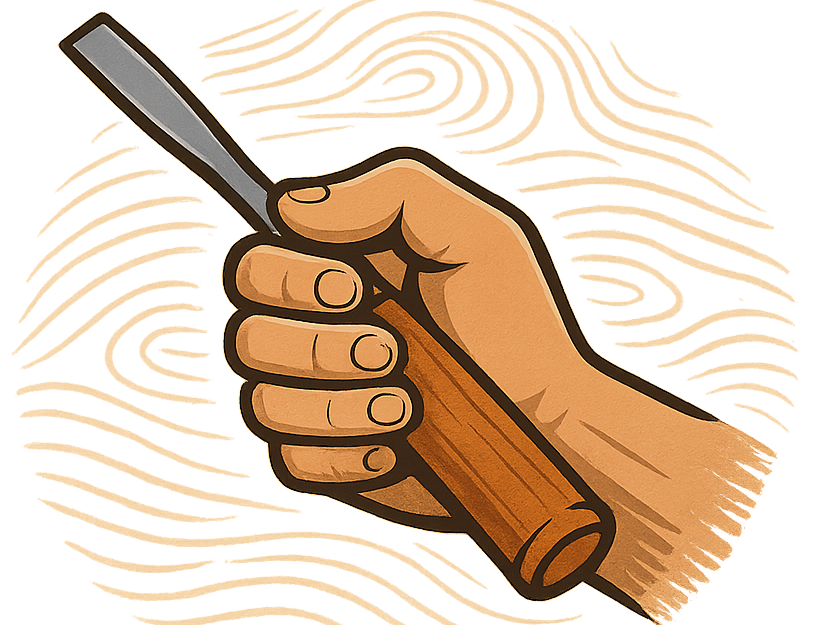
Hand fatigue is a pretty common problem for wood carvers, especially when working on intricate pieces or spending several hours at the bench. Preventing hand fatigue not only keeps things comfortable but also makes sure you enjoy your craft and work safely. Here is some practical advice and easy techniques to keep your hands feeling good even during those marathon carving sessions.
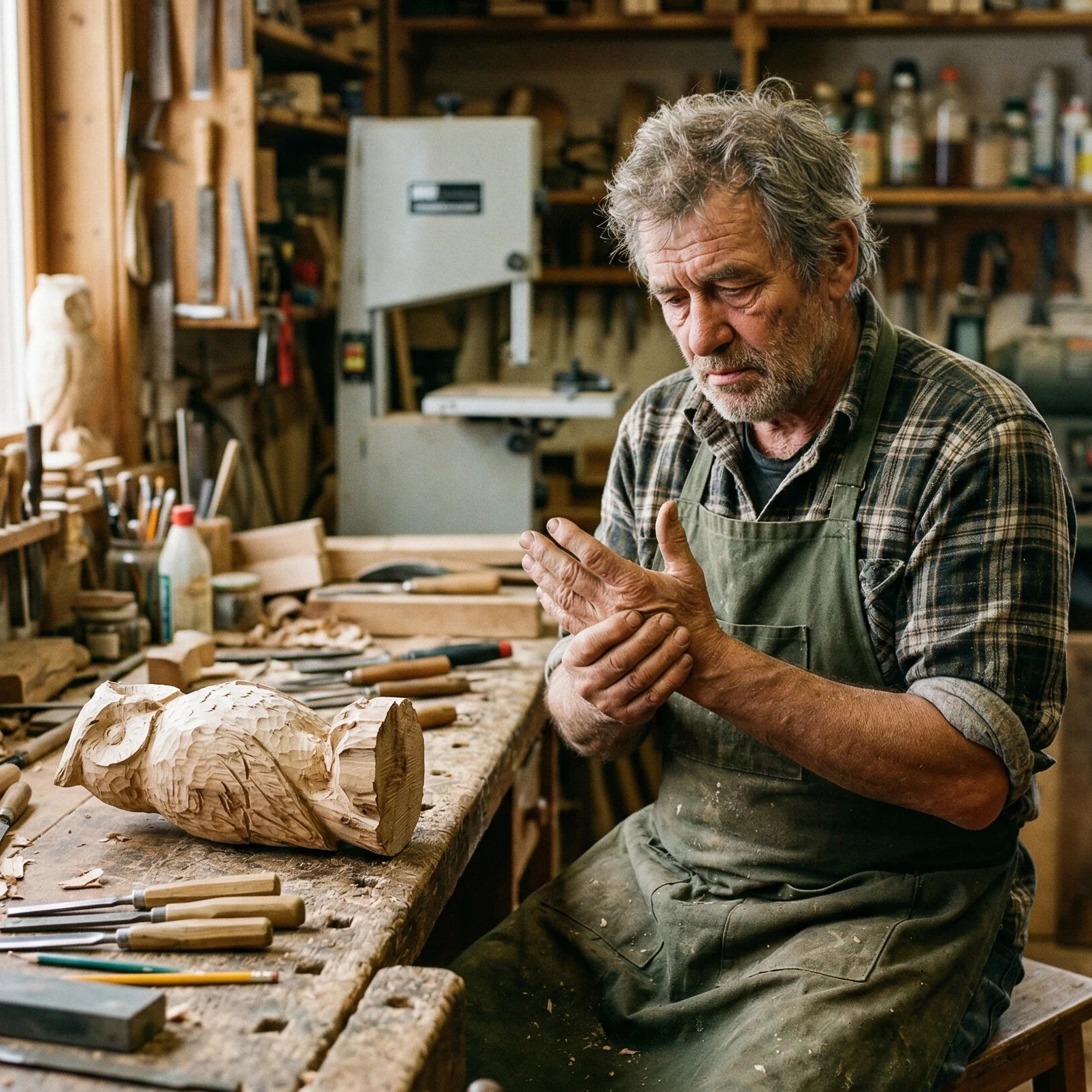
Why Hand Fatigue Happens During Wood Carving
Hand fatigue comes from a mix of physical stress, repetitive motions, and gripping tools too tightly. When carving, your hands use small muscles that can get tired way faster than you’d expect, especially if your technique or tools aren’t quite right. Wood carvers are also at risk for repetitive strain injuries, cramps, and even longer-term problems if this goes unchecked. This is an issue you should take seriously, even at a young age. If this is a hobby you think you may get serious about, and if you love it like I do you will, take a few minutes and read on. Due to previous injuries in another career, the techniques I use in woodcarving must be adjusted to prevent pain and fatigue. This is intended as a relaxing, creative hobby and outlet. It is not the least bit relaxing when you get into a project and pain starts shooting through your hand, up your arm, or into your shoulder.
The type of wood, sharpness of your tools, the grip you use, and the length of your sessions all play a part. Harder woods make you grip tighter, dull blades take more effort, and awkward postures tire muscles even faster. Understanding these factors is a good first step for anyone who wants to avoid aches and keep the creative energy going.
How Proper Tools and Sharp Blades Reduce Fatigue
The right tools make a huge difference in how your hands feel. Using high quality, sharp carving knives and gouges let you work with much less effort. Dull blades force you to press harder, stressing out your hand muscles and bringing pain. The time it takes to keep tools sharp saves more time and frustrtion down the road. Just consider it a part of the hobby and strive to get better at it. Sharpening blades involves learned techniques that also can be improved with time and practice.
- Invest in ergonomic handles: Look for handles that fit comfortably in your hand and give you a good grip without feeling too bulky or too skinny.
- Keep blades razor sharp: Regularly hone your tools using a strop or sharpening stone. A sharp edge slices through wood with much less force, so you don’t have to grip so tight.
- Use lighter tools for detail work: Smaller knives and microgouges are helpful for precision cutting and put less strain on your hand than trying to handle big, heavy tools for fine details. Use a magnifying glass on a stand too, if needed, for fine details.
Carvers who pay attention to these points find they can hold their tools longer and enjoy more control with less tension in their hands and wrists. Spending a little time each week to maintain your kit pays off with easier, happier carving sessions.
Setting Up Your Workspace to Prevent Strain
Your carving setup has a big effect on how your hands and body feel by the end of a project. Working at the right height makes a real difference. Adjust your workbench or seat so I you aren’t reaching up or hunching down for hours.
- Work at a comfortable height: Your carving surface typically should be about elbow height when sitting or standing. This helps to avoid twisting or overstretching wrists and shoulders. Adjust and find what is most comfortable for you.
- Use a bench hook or clamp: Securing your project means you’re not constantly squeezing the wood with one hand while carving with the other. This simple change keeps both hands more relaxed.
- Good lighting matters: Clear, well-lit workspaces let you see your cuts easily. Less squinting means fewer awkward hand positions and less accidental injury.
Making your carving spot comfortable, organized, and well lit keeps you from holding tense postures and keeps your hands from doing double duty as a vice.
Techniques to Keep Hands Fresh During Long Sessions
Building good carving habits is another key way to fend off hand fatigue. I’ve found that a mix of warmups, focus on grip, and regular breaks can go a long way for any carver.
- Warm up before you carve: This might sound ridiculous, but simple hand and wrist stretches wake up your muscles and get blood flowing. Try a set of gentle fist clenches, finger extensions, and wrist flexes right before you start. Rotating the wrists and gently shaking out the fingers can also make a difference for blood flow and stamina. Hands and fingers are made up of muscles just like your arms and legs, and it helps to stretch them periodically.
- Relax your grip: Holding your knife in a death clutch wears your hand out fast. Try to use only as much pressure as you actually need. Lighten your grip and let the tool do the work. If you notice your knuckles turning white, that’s a good sign to ease up and maybe resharpen.
- Alternate your hands and tasks: If you can, switch hands for simpler cuts or swap tasks (like drawing or sanding) every so often. This keeps one hand from doing all the heavy lifting and helps maintain better muscle balance.
- Take regular breaks: Every 20 to 30 minutes, put the tool down, shake out your hands, and stretch. Take a walk around the workspace. Short breaks help your muscles recover and lower the risk of long term injury. Consider using a timer to remind you to pause.
Just adding these tricks to your routine keeps your hands from feeling like blocks of wood themselves by the end of the day. You’ll also notice you work faster and with better control when your hands stay fresh.
Common Causes and Fixes for Hand Fatigue in Wood Carving
Several things can make hand fatigue worse, and they usually boil down to a few common habits. It’s reassuring to know that most problems have a pretty simple fix once you spot them.
Death Grip on Tools
Gripping tools too tightly is something that people may struggle with early on. Worrying about slipping or making a mistake can make you hold on harder, but that just wears the hands out earlier. Focus on trusting your sharp tools and using a lighter grip, while being careful. Practice technique safely using cut resistant gloves to get the hang of it. Over time, try to build confidence in controlling the blade’s flow with less force.
Ignoring Pain Signals
Sometimes I’d push through tingling or soreness, only to regret it later with bigger aches. If your hands are hurting, stiff, or swollen, don’t brush it off. Stop, stretch, and let them rest. If pain keeps coming back, it can be worth seeing a specialist for advice on injury prevention.
Bad Posture at the Bench
Slouching, reaching too far, or twisting leads to tired hands, shoulders, and neck and back. Keeping your back straight, shoulders relaxed, and elbows close to your body takes a surprising amount of pressure off your hands. Try using a tall stool or standing mat to support your posture if you carve for long periods. Even adjusting your foot position and sitting with your feet flat on the floor helps improve long session comfort.
Extra Tips for Staying Comfortable During Carving
Beyond the basics, a few extra hacks make wood carving more comfortable. I always keep these in my back pocket for when fatigue threatens to take the fun out of it.
- Wear carving gloves: Padded or antivibration gloves can offer a bit of cushion and extra grip, which reduces the effort needed to hold onto tools.
- Keep hydrated: Drinking plenty of water helps your muscles work better and recover faster. Eating foods rich in magnesium and potassium can also help reduce muscle cramps.
- Watch your overall health: Regular exercise, especially for your hands and arms, helps build strength and endurance for longer carving sessions. Squeezing a rubber ball or using hand grippers during your free time is a simple way to bulk up hand muscles, which pays off at the carving bench.
- Stay mentally fresh: Listen to music, take mindful breaths, or change your carving subject from time to time to keep things interesting. A refreshed mind can help your body stay relaxed and focused.
If you ever feel like your hands just can’t keep up, don’t be afraid to rest completely or try something different for a bit. Changing up your routine can prevent burnout and give you a fresh perspective on your next piece. Sometimes, stepping away for a short walk or stretching your legs can boost your overall comfort and let your hands recover faster.
Frequently Asked Questions
Question: How can I tell if my carving tools are causing fatigue?
Answer: If your hand hurts even during short sessions, your handles might be too small, too heavy, or the blade could be dull. Try using a tool with an ergonomic handle and make sure your blades are sharp enough to slice smoothly with minimal pressure.
Question: Is it safe to carve every day?
Answer: Everyday carving is fine as long as you listen to what your hands and body are telling you. Mix long carving days with lighter days and always include short breaks during your sessions. If you notice pain or soreness sticking around, take a few days off to recover. Also, add some general hand exercises to your day to boost endurance and flexibility.
Making Wood Carving Comfortable for the Long Haul
Keeping hand fatigue in check is really important for anyone who loves wood carving, whether you’re just starting or have been at it for years. The combination of sharp tools, comfy handles, a good workspace, and smart habits helps keep your hands feeling good. With a few adjustments, you can enjoy hours at the bench and focus on what you love, bringing your wood projects to life pain-free. Remember, taking care of your hands means you get to keep carving for the long run and step up your skills without discomfort holding you back.