Wood carving is a hobby that’s both creative and relaxing. There’s something truly satisfying about shaping a piece of wood into a unique work of art or even just a practical spoon for your kitchen. But choosing the right wood carving tools is definitely something that beginners struggle with. There are a lot of options, and picking the wrong tool can turn that first experience from exciting to frustrating. Here are some essentials to help start strong with the best tools for your wood carving adventure.
Types of Wood Carving Tools You’ll See First
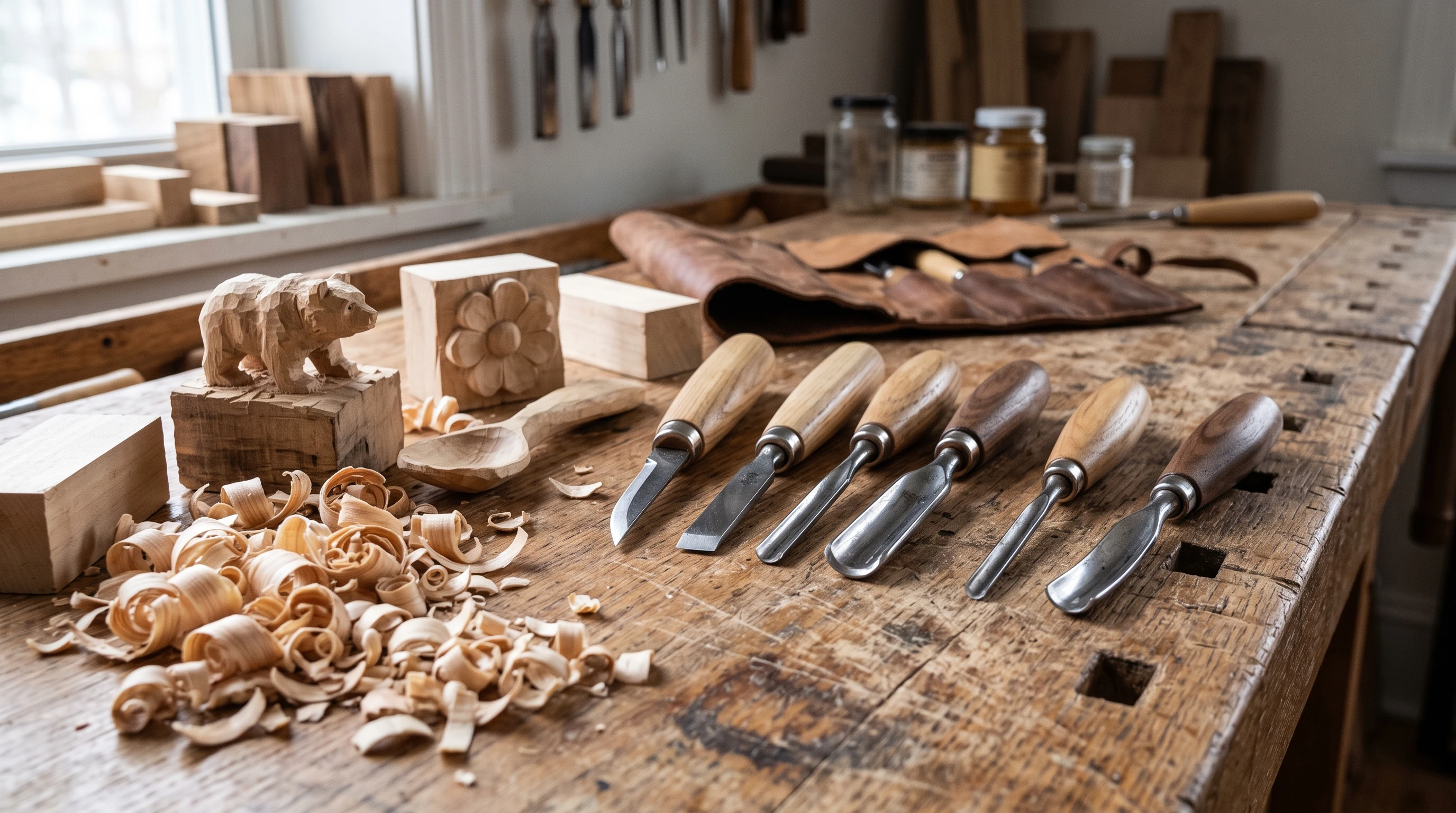
There are loads of wood carving tools out there, but most projects can be done with a handful of basics. Knowing what each one does makes it easier to decide what’s right for you. Here are the most common tool types used when starting out:
- Carving Knives: Classic beginners’ tools. They’re sharp and handled much like a regular knife, making them the go-to for whittling and shaping basic forms.
- Gouges: Chisels with curved blades. These are perfect for scooping out wood and adding curves or hollows.
- VTools: These cut Vshaped grooves and are super useful for adding texture, lines, or details.
- Chisels: Flat edge on the blade, used mostly for straight cuts, smoothing, and finishing and removing larger chunks of wood at one time
- Mallet: Wooden hammers, handy for tapping your chisels and gouges when you need extra power.
Some kits come with a mix of these tools, but it’s fine to start small and expand once you get a sense for what you like making.
What Makes a Wood Carving Tool Worth Buying?
There are a few things that make some carving tools stand out more than others, especially for beginners. Paying close attention to these details saves money and frustration down the line.
- Sharpness and Edge Holding: A really sharp tool is safer (yes, really!), and less frustrating. Good steel holds its edge longer, so you spend more time carving and less time sharpening. It is well worth paying for better quality steel.
- Comfortable Handles: Some handles are chunky, some are slim. Handles should feel right in your hand for those longer sessions. If a handle digs into your palm, it will get annoying pretty fast and lead to more downtime when carving.
- Quality of Steel: High carbon steel is common in good carving tools. Stainless will need less effort to prevent rust, but many carvers still like the way high carbon steel performs.
- Right Size for Your Projects: Tiny tools work well for details on miniatures or intricate designs, while big sturdy tools can help with roughing out larger blocks of wood.
Good tools cost more, but they’ll serve you well for years. Cheaper kits can get you started, but plan to upgrade individual tools once you learn what you like.
Simple Steps for Picking Your First Set
A few well chosen basics will get you carving right away and help you figure out your personal style.
- Start with the Projects You Want to Try: Spoons, animal figures, walking sticks; each project has its own tool needs. Decide what looks fun and focus on the tools those projects require.
- Choose a Good Carving Knife: This is the tool you’ll use most often as a beginner. Get a sharp, sturdy knife with a handle that is comfortable in your hand.
- Add a Small Gouge or Two: For curved cuts, adding depth, or hollowing areas. A medium sweep gouge covers lots of ground for most projects.
- Throw in a VTool or Small Chisel: These add details and help with lines, textures, and cleaning up edges.
- Don’t Forget Safety: Cut resistant gloves and a thumb guard might not sound exciting, but your hands will thank you.
This starter approach gets you carving right away. As you gain confidence, you’ll notice which extra tools could make life easier for your own style or favorite project types.
Choosing the Right Tool for the Wood
Different woods need different approaches. For example, basswood and aspen are soft and easy to carve, so nearly any sharp tool will do. Hardwood, like oak or walnut, can take more muscle and a sturdier blade. Match your tool’s hardness and size to the wood you’ll be using for less trouble and better results.
Staying Safe as a Beginner Carver
Risks are low with solid technique and sharp tools, but all carvers get the occasional nick. Always carve away from your body, keep your other hand out of the way, and use a sturdy nonslip mat. Gloves are optional once you’re comfortable, but many beginners like the extra protection. Take your time and always stay focused on what you’re doing, reducing distractions as much as possible. Safety glasses can also help if you’re chipping off large pieces, preventing shavings from getting into your eyes.
Building Skills: Advice and Advanced Tips
The first few projects teach you a lot. Here are some simple tips to benefit you at the start:
Practice on Scrap: Before carving your fancy piece, test cuts on scrap wood. This helps you get to know how the tool feels and how it moves through the wood. This not only saves your main project from mistakes but also allows for experimentation with different techniques.
Keep Tools Sharp: Learn to sharpen your blades. Even a top quality tool will need maintenance. There are plenty of excellent sharpening guides online; sharpening strops and stones come in handy. Regular honing after each session keeps your tools performing at their best.
Sketch Designs on the Wood: Drawing on wood with a pencil first guides your cuts and helps prevent mistakes as you work. Don’t worry if your drawing isn’t perfect—it’s just a guide.
Explore Different Tool Styles: Once you confirm this is a habby you want to pursue, you can upgrade your tools depending on your budget. Try Swedish knives, Japanese chisels, or palm tools to see what feels best. Everyone finds their preferred style after some hands-on experience. Switching it up can lead to discovering new techniques.
Be Patient: Carving is all about small, gentle cuts. If you rush, you’re more likely to make mistakes or tire yourself out. Enjoy the slow process. It’s part of what makes wood carving relaxing and rewarding.
Adding new tools to your toolkit should happen slowly and thoughtfully. Each new tool opens up a new set of projects, so add to your collection as you stumble upon new interests or tasks you want to tackle.
Beginner Tool Shortlist
Here’s a quick checklist of what most beginners start with:
- Carving knife (general purpose)
- Medium gouge
- Small chisel or VTool
- Sharpening stone or strop
- Cut resistant gloves
- Pencil (for sketching outlines)
By starting with just a few good quality tools and a safe working setup, your first wood carving experiences will be a lot more enjoyable.
Frequently Asked Questions
Question: What’s the best wood for beginners?
Answer: Basswood and aspen are both soft, easy to carve, and inexpensive. Pine works too but pick pieces without a lot of knots.
Question: How do I keep my tools sharp?
Answer: A leather strop with polishing compound is great for basic maintenance. For bigger sharpening jobs, a stone or specialty sharpener is useful. There are plenty of video guides out there to walk you through the process.
Question: How long will a starter set last?
Answer: If you look after them and keep them sharp, entry-level carving tools can last for years. Quality makes a difference, but proper care is even more important.
Getting Started with the Right Tools
Picking your first wood carving tools is really about making the process smoother, safer, and more fun. Focusing on a few quality basics and learning as you go will set you up for progress, not stress. Practice, patience, and good tools go a long way. Enjoy the process; every cut is a new step in learning and creating something truly your own. Be patient and remember, wood carving is about progress and enjoyment. Over time, your skills will grow and so will your collection of tools. Have fun, keep experimenting, and share your creations with others. There’s a whole community out there ready to support new wood carvers, and you might be surprised at what you can achieve with just a few tools and a block of wood.